Established in 1821, the City of Columbia was home to 600 people in 1830 and now is home to over 126,254 people. Known as a peaceful city, Columbia has consistently ranked among the best cities to live in, with low crime rate, highly educated population, low cost of living, and affordable housing. From 1970 until now, the city has changed for the better in several key aspects, even though the transition process was slow.
From 600 people in 1830, the City of Columbia gradually attracted more and more people to come and settle in. The establishment of University of Missouri-Columbia since 1839 played a significant part in the development of the city.
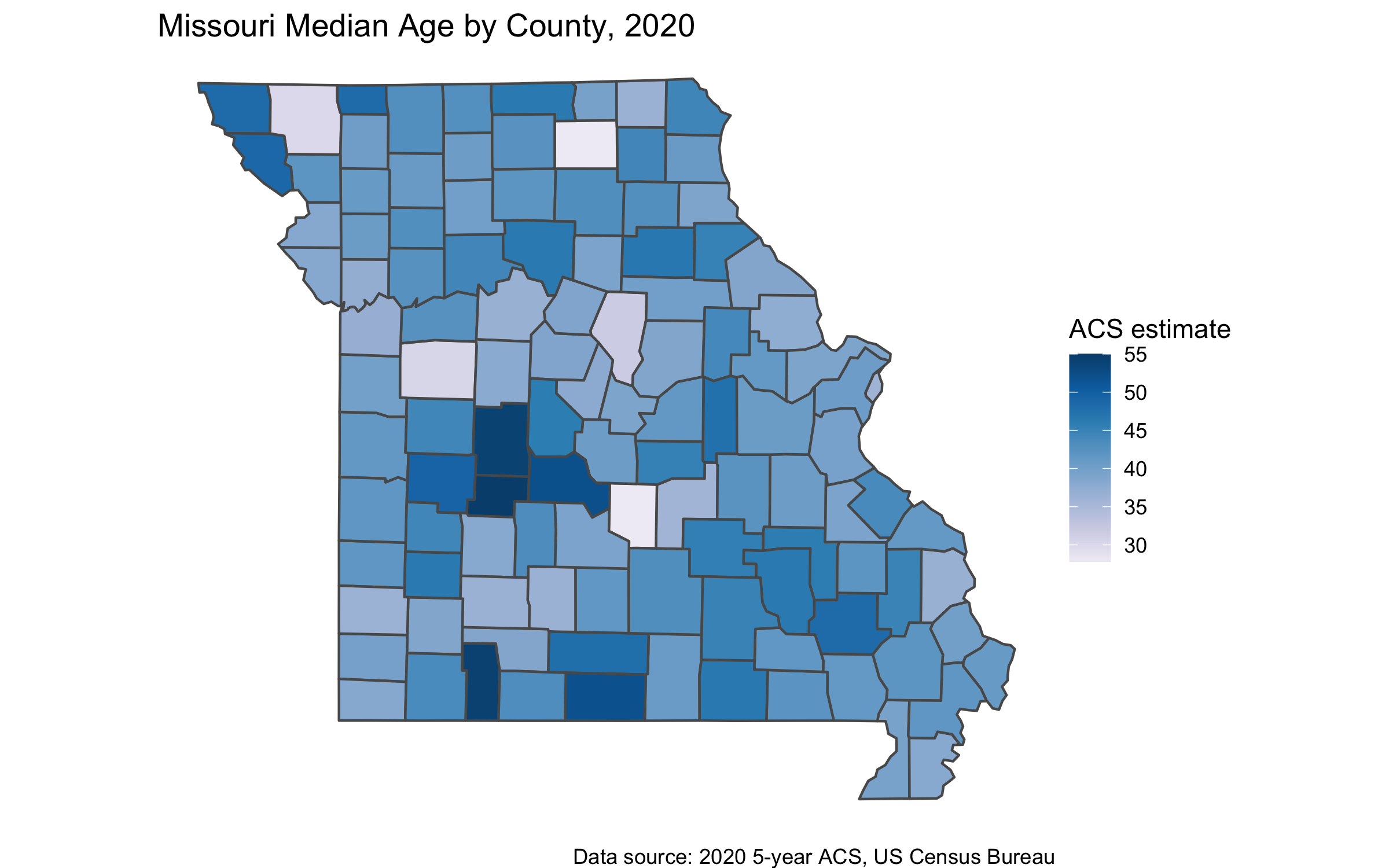
Thanks to the large number of Mizzou's students which mostly in their 20s, Columbia's population is always at the younger side of the state. The City's median age slightly increased in the last decade
The City's population structure in 1970 and 2020
The city is ranked high on education index, with over 53% of people 25 years and older hold bachelor or higher degrees. In 50 years, the number increased 3.8 folds. The number increased steadily since 1970, but recent decade saw a slow down.
Compared to other big cities in the state, Columbia has the highest percentage of people 25 years and older hold bachelor dregree or higher. MU may play a big part on this number. The City also maintains a good ranking in other social aspects.
The unemployment rate has dropped significantly in the last decade, from 6.1% in 2011 to 3.5% in 2020.
The City’s household median income increased over 3.9 times since 1980, one of the biggest successes. In 2020, Columbia ranked 4th out of 8 metro areas in the state in term of income, after Kansas, St. Louis, and Jefferson city respectively.
Tackling poverty is one of the City’s best performances. In recent decade, poverty rate is getting lower and lower year by year, reaching the lowest in 2020 with 8.5 percent. Until 2000. poverty rate is still quite high, but decrease steadily after that.
Affordable housing is one of the aspects Columbia is ranked high among the best cities to live in the U.S. according to various ranking.
Known as a peaceful city, Columbia’s crime rate per 100.000 people in 2020 has dropped half the number of 1990. However, the number of cleared cases also decreased year by year. The rate of cleared cases over reported cases in 2011 was 32.6%, but decreased to 16.3% in 2020.
By compiling data for five of the metrics: population density, unemployment rate, housing costs, commute time, and cost-of-living, Business Insider has recently ranked Columbia among Top 30 best cities to live in after the pandemic.
Diversity is not the City's strong point since over 70% population is white. Equality is still something the City has to work on while the big gap of household median income still exists. However, the City is still a peaceful place that could be home to anyone trying to work hard.